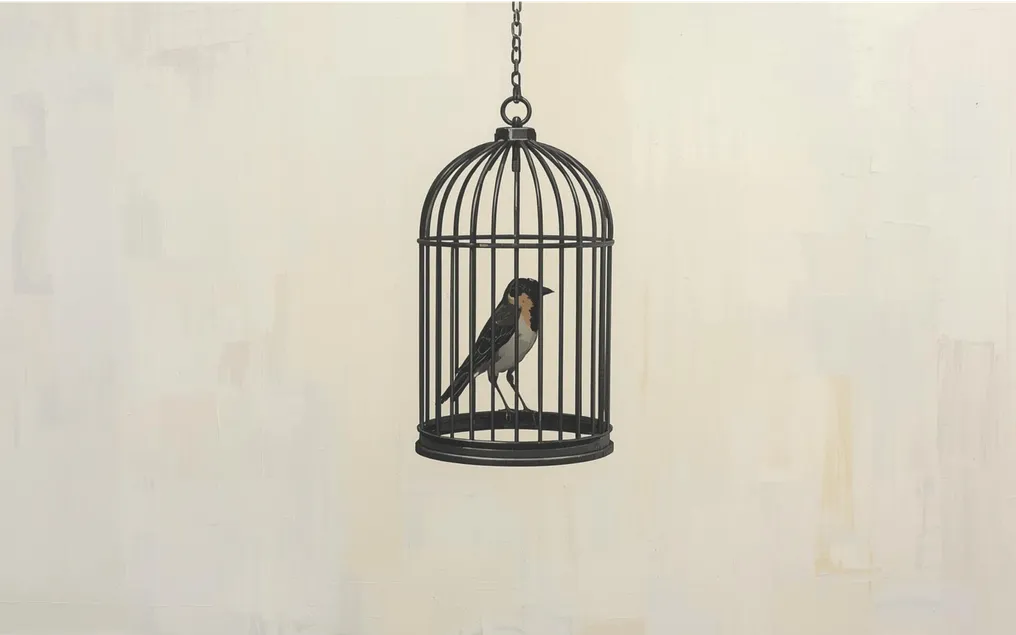
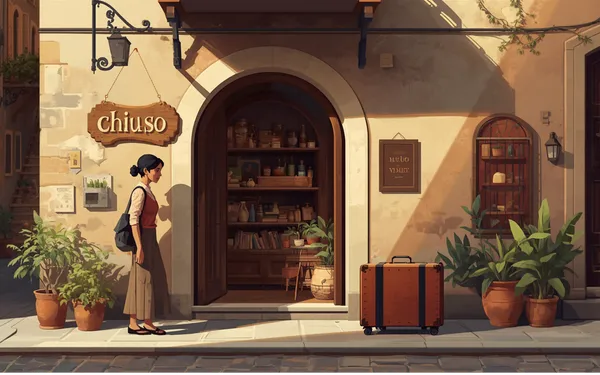
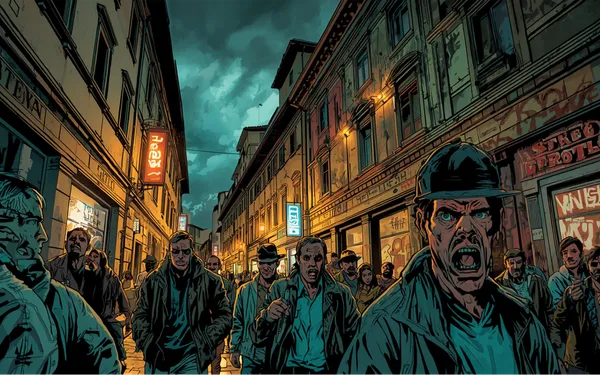
Americans are raised on the assumption that they live in the freest country in the world. It is the founding mythology—codified in the Constitution, celebrated on the Fourth of July, invoked in every political speech from every party in every election cycle. Freedom is the American brand. And like many brands, it has become more label than substance. The reality of daily life in the United States—particularly in cities like Los Angeles, where I live—reveals a population that is heavily regulated, physically confined, economically squeezed, and socially isolated in ways that would astonish anyone who has spent time in the supposedly less free nations of Central and Eastern Europe.

Start with something as elemental as food. In California, purchasing raw milk requires navigating a labyrinth of state licensing, inspection requirements, and regulatory compliance so onerous that only a handful of producers can meet them. The milk that does make it to market is sold at a premium in specialty stores accessible only to consumers who have the knowledge to find them and the income to afford them. Buying meat directly from a local farmer is similarly constrained by layers of USDA inspection mandates and state processing requirements that effectively prohibit the small-scale, farm-to-table transactions that sustained communities for centuries. In Hungary, raw milk costs approximately three hundred and thirty forints per liter—roughly one dollar. It is available in ordinary stores, not boutique health food shops. Fresh vegetables are abundant and inexpensive at markets throughout Budapest. In Los Angeles, eating well requires either wealth or extraordinary effort. In Budapest, it requires only walking to the nearest market. Which country has more food freedom?

This post is for subscribers only

Sign up now to read the post and get access to the full library of posts for subscribers only.

Sign up now Already have an account? Sign in