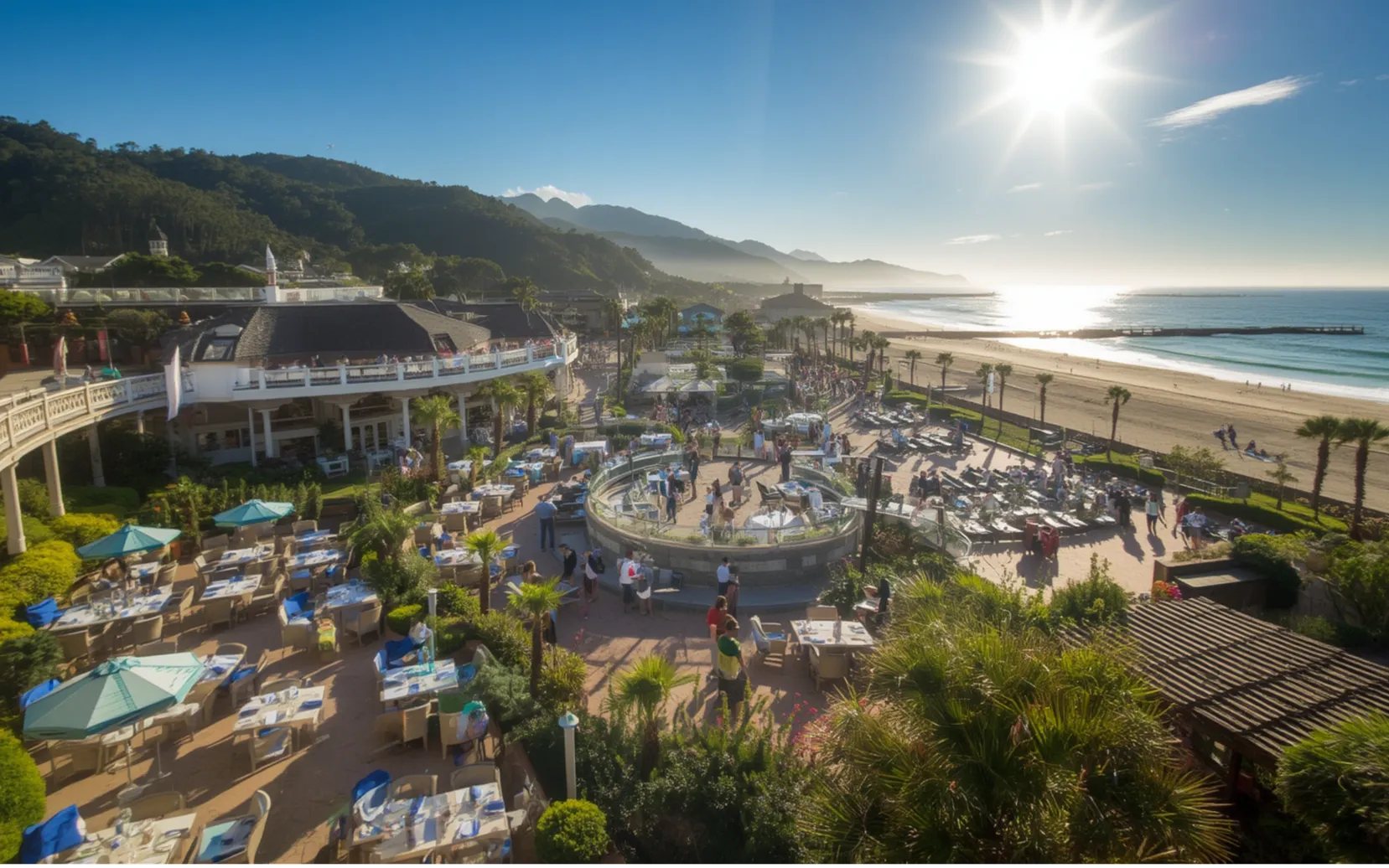
I drove up the central California coast last week—midweek, low season, no holiday in sight—expecting what I had always found on these trips: a stretch of quiet highway, affordable motels with ocean views, cheap roadside meals, and the kind of unhurried solitude that used to be the birthright of every Californian with a car and a free afternoon. What I found instead was a place I no longer recognized. In Cambria, the cheapest room I could locate was north of three hundred dollars a night—for a basic motel with no view, no pool, and no amenities beyond a bed and a door that locked. In Half Moon Bay, the situation was the same or worse. These are not resort towns. They are small coastal communities that, within living memory, catered to families on modest budgets. A generation ago, a working father could load his kids into the car on a Friday afternoon, drive up Highway 1, check into a clean room for sixty or seventy dollars, and spend two days watching his children discover tide pools and sea otters. That trip is now financially impossible for the vast majority of Californians.

The meals were no better. A simple lunch—a sandwich, a bowl of soup, two drinks—exceeded fifty dollars before tip. A modest dinner for two without alcohol or dessert crossed one hundred. At a restaurant in Half Moon Bay, I ordered hot tea and asked for a refill. I was charged twice—full price for each cup. In more than fifty years of dining in California, this had never happened to me. Gas on the central coast is approaching seven dollars a gallon, nearly double the national average and among the highest prices anywhere in the developed world. The Western region leads the nation in restaurant price increases, up more than four percent year over year. Fifty-nine percent of Americans now report dining out less frequently. In California, the numbers are almost certainly higher, because the baseline prices were already punitive before the latest round of increases.
The tourists have noticed what the locals can no longer afford. At Big Sur, which has seen a nine-hundred-percent surge in visitors since Highway 1 fully reopened after three years of landslide closures, the overlooks were overrun—not by Californians but by foreign tour groups. Buses from Asia and India lined the shoulders. At one viewpoint, the crowd had spilled off the overlook entirely, with people crossing the highway on foot to photograph themselves from the opposite side, their cars parked dangerously close to the cliff edge a quarter mile from the designated viewing area. Every face was foreign. Every conversation was in a language other than English. The scene repeated itself at every major stop along the coast. California's tourism industry now generates nearly one hundred and sixty billion dollars annually—a record—but that money is not coming from the people who live here. It is coming from international visitors with foreign wealth, and the prices have been calibrated to their wallets, not ours.

This post is for paying subscribers only

Sign up now and upgrade your account to read the post and get access to the full library of posts for paying subscribers only.

Sign up now Already have an account? Sign in