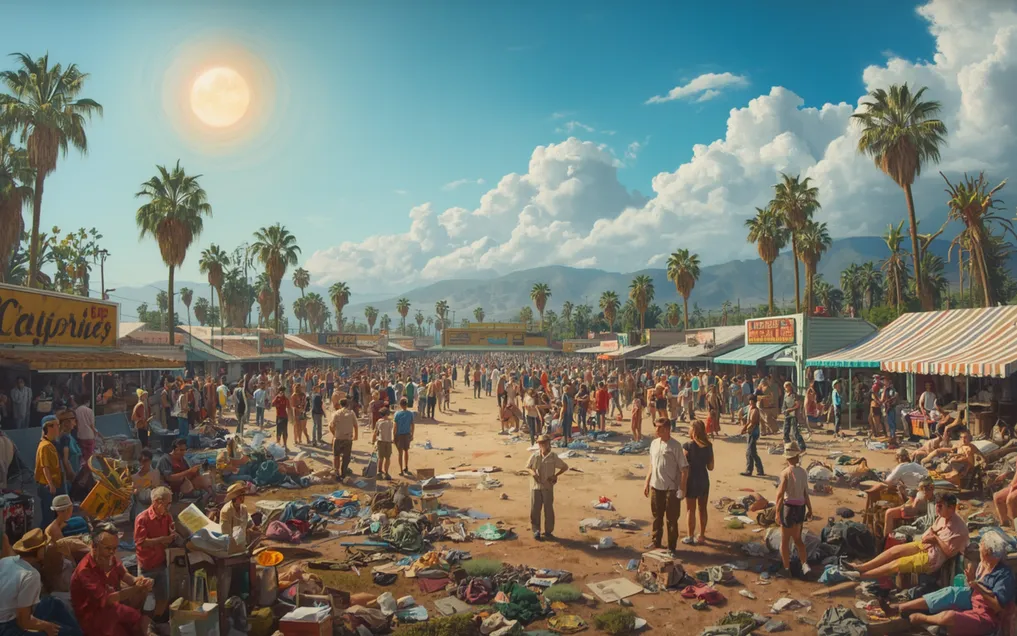
I drove from San Diego to Los Angeles not long ago, and I made the mistake of stopping at several beaches along the way. It was a weekend, it was summer, and every stretch of coast I pulled toward was the same scene. Parking lots full. Streets packed with idling cars circling for spots. Families hauling coolers past rows of bumpers like refugees navigating a supply depot. In La Jolla, a man stood at the edge of the road holding a handwritten sign offering parking: forty dollars for a spot four blocks from the beach, sixty for two blocks, eighty if you wanted to be within a block. I did not stop. At Torrey Pines, the state reserve that is supposed to offer something closer to unspoiled coastline, the trails were so crowded that the experience of walking them felt less like nature and more like a theme park queue. The beauty was technically there. The ocean, the cliffs, the light. But it was inaccessible in any meaningful sense. You could see it, but you could not be in it.

This is the paradox of California, and increasingly of every beautiful place on earth. You are paying a premium—in housing, in taxes, in traffic, in the general cost of everything—to live near beauty you cannot actually use. On summer weekends, which is to say the weekends when the beauty is at its peak, none of it is available to you unless you are willing to wake before dawn or drive two hours to somewhere nobody has heard of yet. If the beaches, the parks, and the mountains are what justify the price of admission, but you can never get to them without a battle, then what exactly are you paying for? A zip code. A postcard view from your car window on the way to somewhere you cannot park.

This post is for paying subscribers only

Sign up now and upgrade your account to read the post and get access to the full library of posts for paying subscribers only.

Sign up now Already have an account? Sign in