There is a widespread belief in our culture that ugliness is more authentic than beauty--that the broken, the discordant, the vulgar, and the crude represent something truer about the human condition than what is harmonious, elegant, or whole. This is a lie. Like most lies that gain traction, it has become so familiar that we barely notice its corrosive effect on how we live, what we create, and what we expect from one another.

Ugliness is not more real than beauty. It is simply easier. It demands less of us—less skill, less discipline, less courage. Beauty requires effort, intentionality, and the willingness to believe that something finer is possible. Ugliness asks only that we give up.

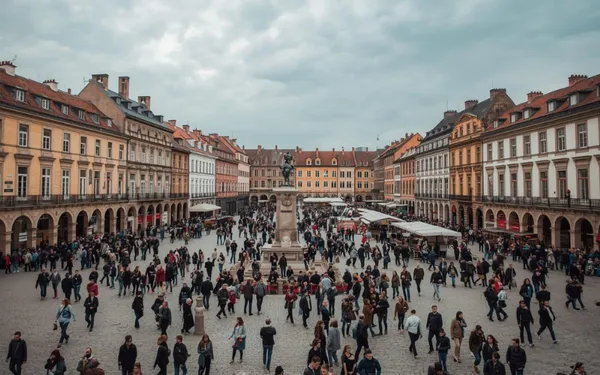
Consider architecture. For most of human history, we built structures that aspired to something beyond function. Cathedrals, public squares, homes with carved details and considered proportions—these were expressions of a shared conviction that our surroundings should elevate us. Then came Brutalism, which declared that raw concrete and imposing geometric slabs were more honest than ornamentation. Government buildings and housing projects were erected to look like bunkers. The message: Do not expect to be inspired by where you live or work. Endure it.

This post is for paying subscribers only

Sign up now and upgrade your account to read the post and get access to the full library of posts for paying subscribers only.

Sign up now Already have an account? Sign in