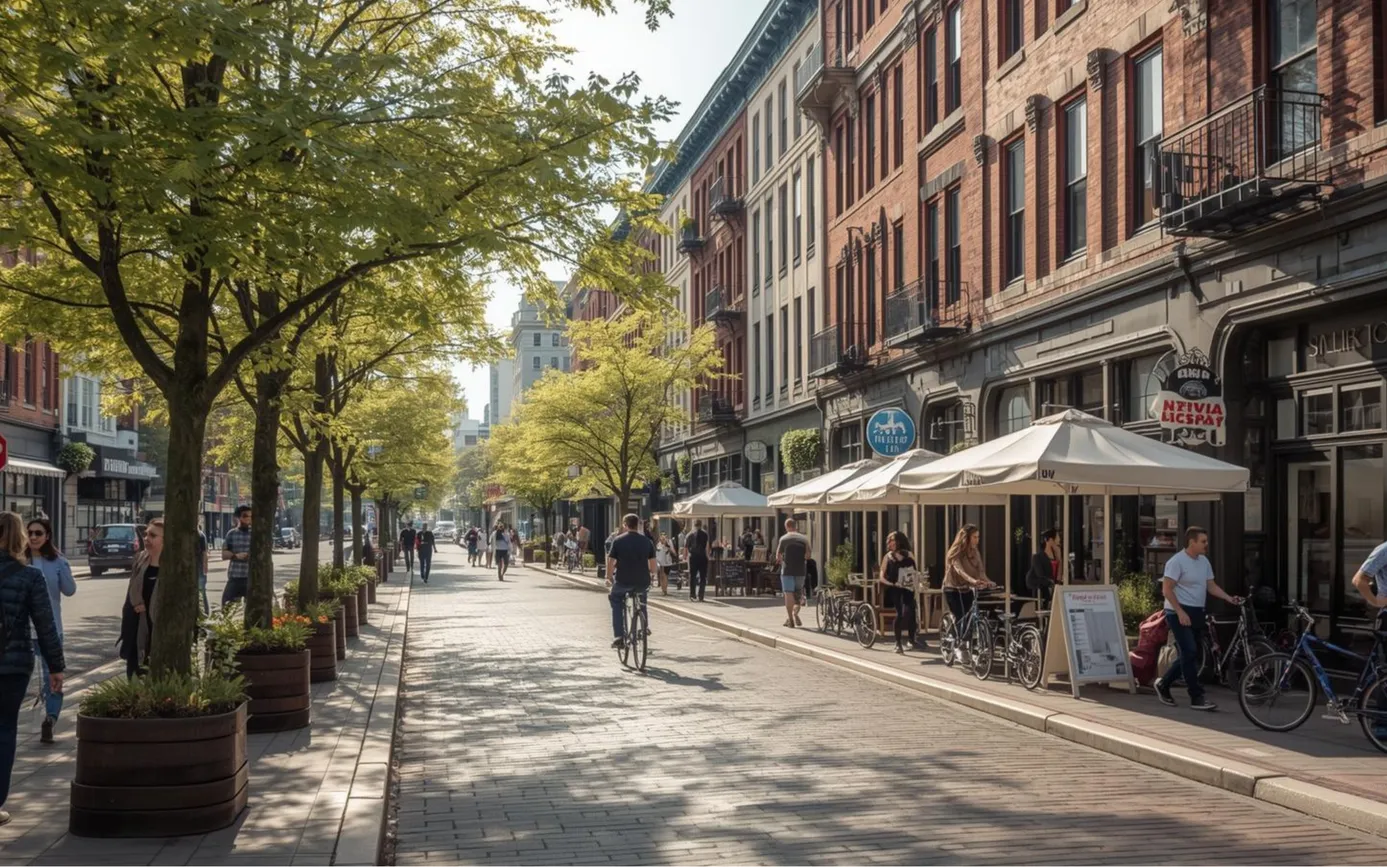
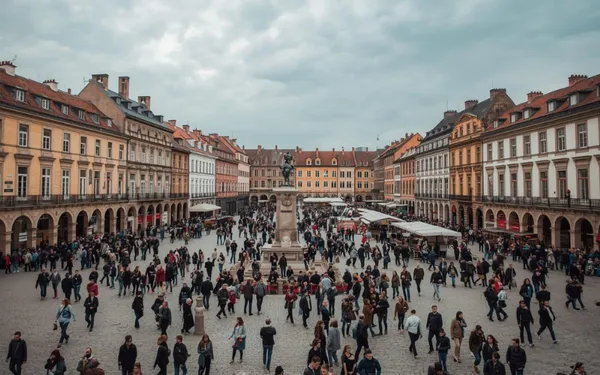
The most important feature of a city is not its skyline, its tax rate, or its job market. It is whether you can walk in it. Not walk for exercise. Not walk as recreation. Walk as a way of life—as the default mode of moving through your day, from home to coffee to work to the butcher to the bar to the bench where you sit and watch the world go by. A city that is walkable is a city where human beings encounter one another by accident, repeatedly, in the small ungoverned spaces between destinations. A city that is not walkable is a city where people move in sealed capsules from one private interior to another, seeing no one they did not plan to see, touching nothing they did not intend to touch. The first kind of city produces social life. The second kind produces loneliness. America has built almost exclusively the second kind.

The sociologist Ray Oldenburg called them “third places”—the coffee shops, barbershops, pubs, and park benches that are neither home nor work but something essential in between. Third places are where communities actually form. They are where strangers become acquaintances and acquaintances become friends. They are where ideas circulate, gossip travels, reputations are built, and social norms are enforced not by law but by presence. Research confirms what common sense already knows: Accessible third places buffer against loneliness, stress, and alienation. Young adults are now almost twice as likely to report feeling lonely as those over sixty-five, and that number has risen steadily every year since the mid-nineteen-seventies. The decline maps almost perfectly onto the disappearance of third places from American life—driven by the over-supply of malls, the rise of online shopping, and the suburban sprawl that made walking to a neighborhood café a physical impossibility.

This post is for paying subscribers only

Sign up now and upgrade your account to read the post and get access to the full library of posts for paying subscribers only.

Sign up now Already have an account? Sign in