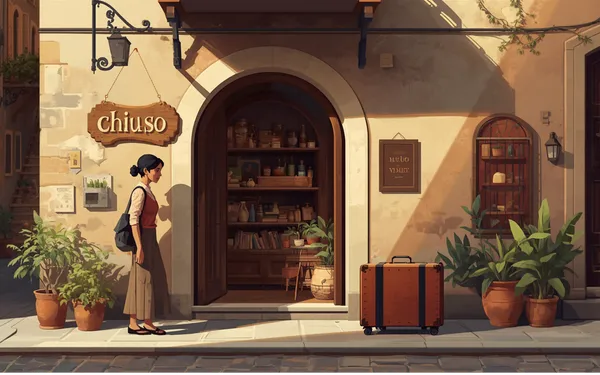
On a Monday in Sicily, I discovered that every barber shop on the island closes not only on Sunday but on Monday as well. Needing a haircut, I walked into a beauty salon to ask whether any barber anywhere might be open. “Oh, that will be difficult,” the woman behind the counter said — and then, unprompted, she began telephoning colleagues, private homes, anyone she could think of, trying to find someone willing to work. When no one answered, she told me to wait, walked out of her shop and down the street, returning minutes later. “I found one. He uses our products, and he’s willing to take you today.” She then personally led me down the block to his shop, which he opened solely to cut a stranger’s hair, and he was visibly happy to do it. I have traveled widely; this small chain of events would be unimaginable in the United States — and, frankly, in every other European nation I have visited.

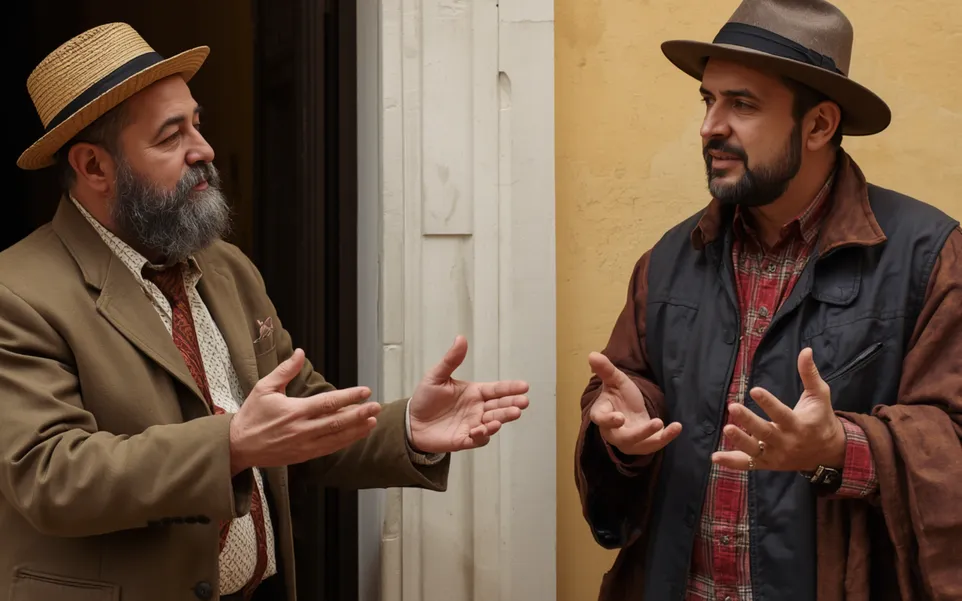
Nor was it an isolated charm offensive aimed at me. Every Sicilian I have interacted with — male or female, young or old — has been consistently friendly, warm, and genuinely helpful, and I watch them extend the same warmth to the locals ahead of me and behind me in line. Even the cashiers in discount supermarkets, a class of worker I have found dreary at best and downright nasty at worst around the world, offer greetings and treat customers like friends. I see it in the coffee bars, in the easy banter between staff and patrons, in the way conversation seems to be the true currency of the day. And this is not the polished hospitality of tourist zones. I am writing from towns like Augusta, where almost no tourist goes, and where people live what can only be called a subsistence life. They have no commercial interest in charming anyone. They are simply, reflexively social.

This post is for paying subscribers only

Sign up now and upgrade your account to read the post and get access to the full library of posts for paying subscribers only.

Sign up now Already have an account? Sign in