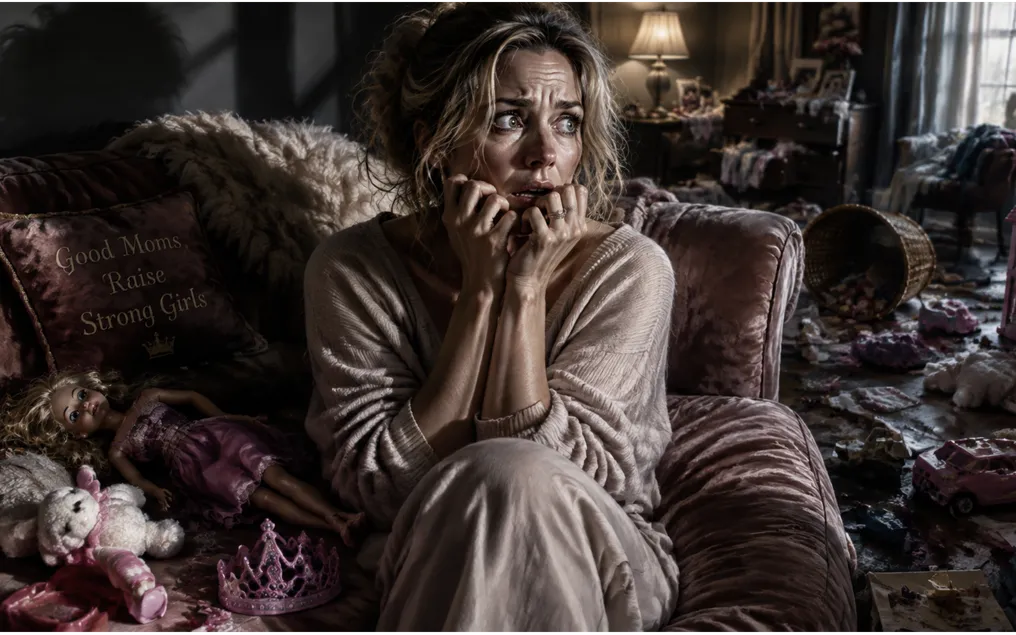
A woman I know buried her father two years ago and has been disappearing ever since. For most of her life he functioned as a seawall. Her mother’s rages, her sudden collapses, her bottomless demands all broke against him first, and what reached the daughter was weather rather than catastrophe. Then he died, the role fell vacant, and she was conscripted into it before the funeral was over. Her mother now stages panic attacks when she is left alone in the house. She feigns an inability to sleep without another person . Most effective is the tactic she deploys whenever her daughter asserts independence: She goes dark. The phone rings out. Texts sit unread for a day, then two. The daughter furnishes that silence with her own imagination, and what she imagines is a body on a kitchen floor and a lifetime of knowing she caused it. That is not neglect. It is a weapon, and it is aimed with precision.

I want to be careful with the label, which has become a slur thrown at any difficult mother. The combination is real and measurable. In the National Epidemiologic Survey on Alcohol and Related Conditions, the largest American sample on the question, lifetime borderline personality disorder runs at about six percent of the population, and roughly thirty-seven percent of those who meet criteria for it also meet criteria for narcissistic personality disorder. More than a third. These are not two separate women who happen to resemble each other. They are frequently the same woman, and the overlap produces something worse than either disorder alone.

This post is for paying subscribers only

Sign up now and upgrade your account to read the post and get access to the full library of posts for paying subscribers only.

Sign up now Already have an account? Sign in